Which tasks are the first candidates for automation?
Not every part of a production process lends itself equally well to automation. The tasks that yield the greatest benefits are typically those that are repetitive, vary little, and require a lot of time or manpower. In practice, for manufacturing companies in the food, plastics, and pharmaceutical industries, these most often involve:
- Repetitive pick-and-place tasks: the same movement over and over, always in the same spot. Exactly the kind of work that an automated system can perform more efficiently and with fewer errors.
- Manual removal of products from a machine: At the end of an injection molding, baking, or packaging line, products must be removed and passed on. This is currently often done manually, even though automation would immediately increase capacity in this area.
- Packing, stacking, or palletizing: physically demanding work at the end of the line, with a high risk of injury and a high staffing requirement.
- Visual quality control: Manual inspection is time-consuming and depends on the employee’s concentration. Vision-based systems perform inspections faster, more accurately, and continuously.
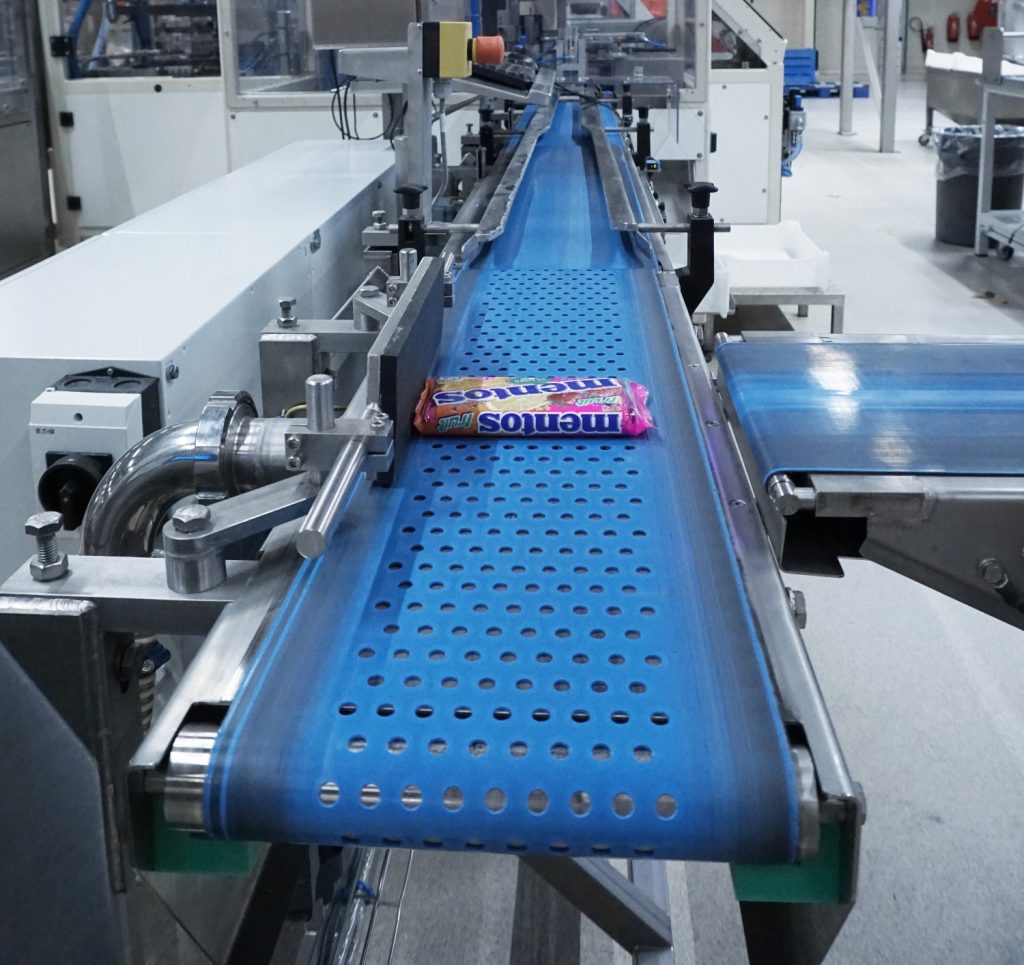
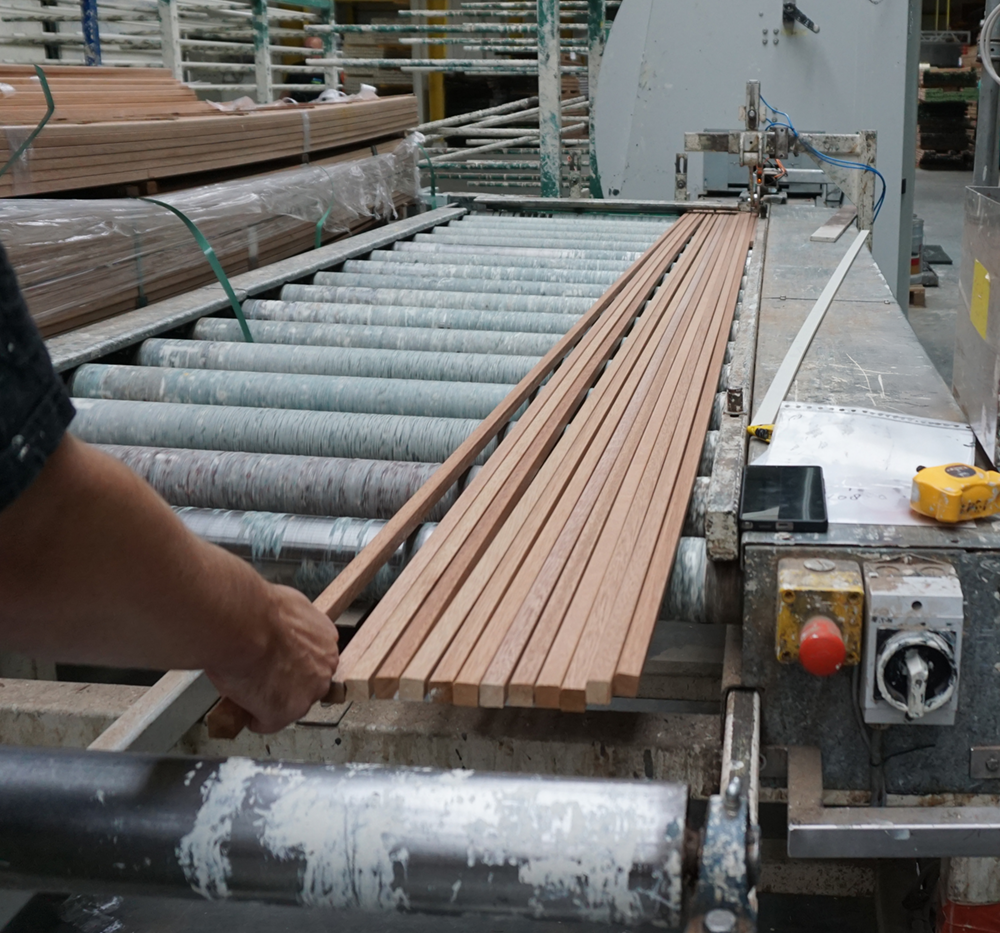
- Transportation between machines or production stations: transfer points where an employee moves products from one step to the next can be easily automated using conveyors or automated systems.
These are also the tasks where automation pays for itself the fastest: high volume, high repetition, and a direct impact on staffing levels.